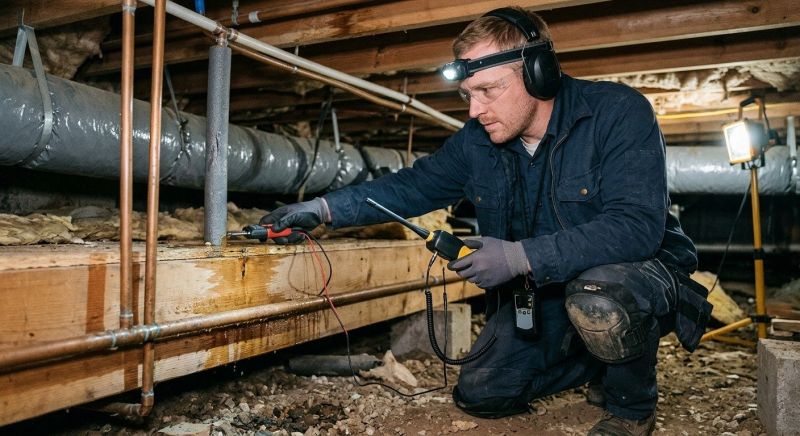
Pipe Leak Detection in Denver, CO
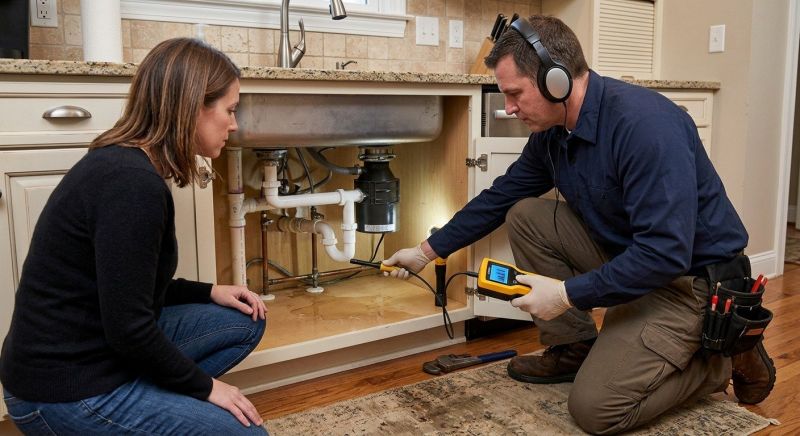
Pipe leak detection services involve identifying hidden leaks within plumbing systems, often before visible signs of water damage appear. These services are useful for a variety of projects, including residential repairs, ongoing maintenance, or when property owners notice unexplained increases in water bills, damp spots, or decreased water pressure. Using specialized equipment such as electronic leak detectors, thermal imaging, or acoustic sensors, technicians can pinpoint the exact location of leaks without extensive digging or disruption to the property.
Homeowners typically seek pipe leak detection to address concerns about sudden water usage spikes or signs of water damage. Before requesting this service, property owners should consider whether they have experienced issues like persistent dampness, mold growth, or unexplained water bills, as these can indicate underlying pipe leaks. Understanding the scope of the plumbing system and the areas most affected can help determine the best approach to locating and repairing leaks efficiently and effectively.
Many property owners in Denver, CO look into Pipe Leak Detection for repairs, replacements, upgrades, and appearance-related improvements.
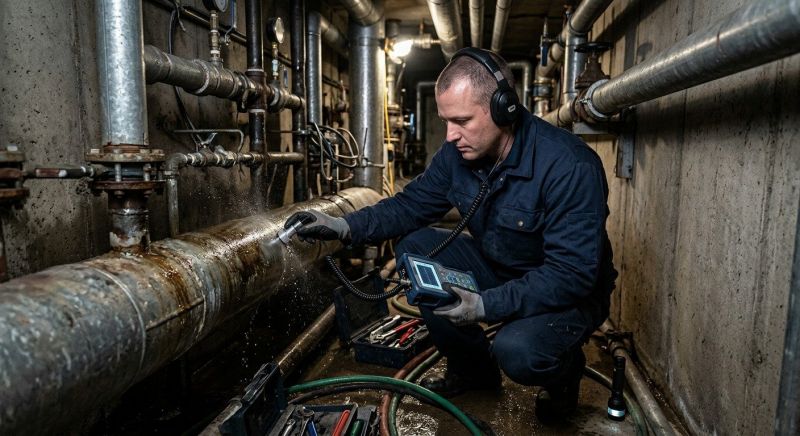
Detecting Hidden Leaks
Advanced techniques identify leaks that are not visible on the surface.
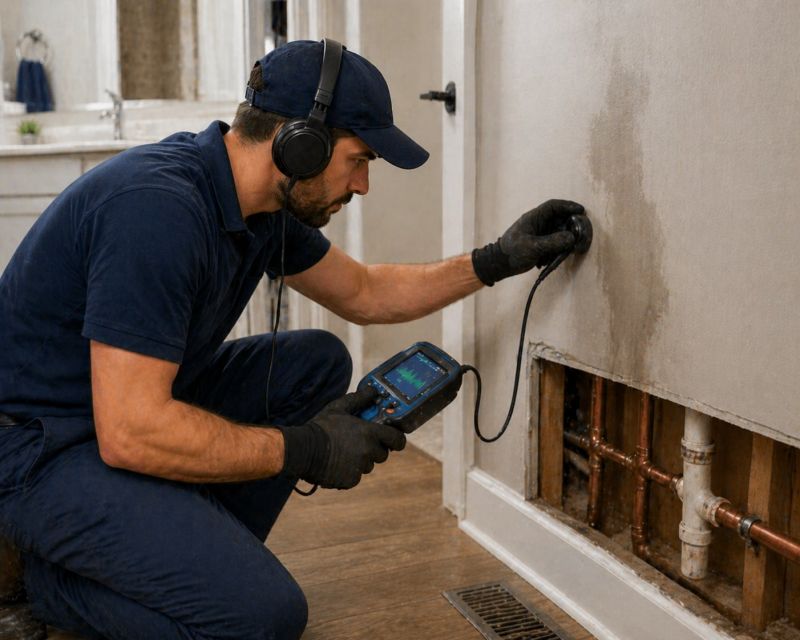
Preventing Water Damage
Early leak detection helps avoid costly repairs and property damage in denver homes.
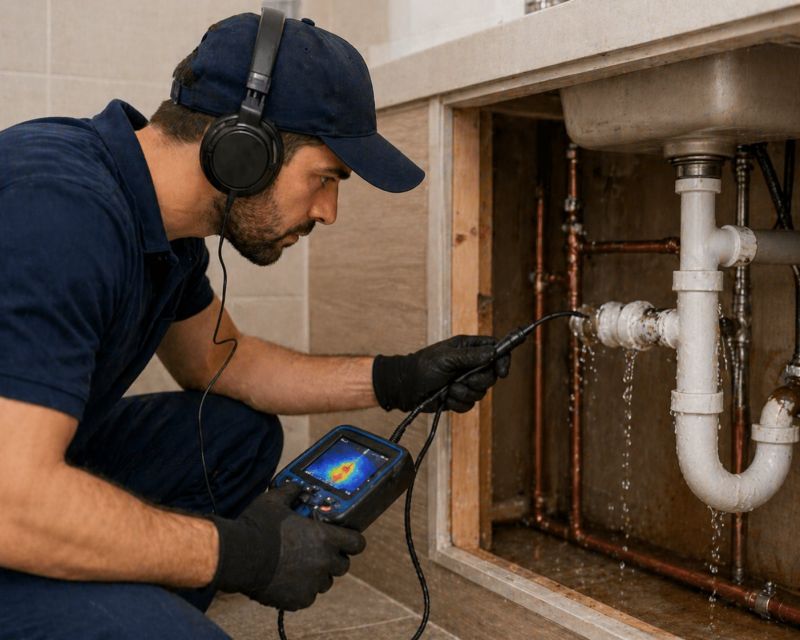
Minimizing Water Waste
Locating leaks quickly reduces unnecessary water loss and conserves resources.
Pipe Leak Detection in Denver, CO

Pipe leak detection services involve identifying hidden leaks within plumbing systems, often before visible signs of water damage appear. These services are useful for a variety of projects, including residential repairs, ongoing maintenance, or when property owners notice unexplained increases in water bills, damp spots, or decreased water pressure. Using specialized equipment such as electronic leak detectors, thermal imaging, or acoustic sensors, technicians can pinpoint the exact location of leaks without extensive digging or disruption to the property.
Homeowners typically seek pipe leak detection to address concerns about sudden water usage spikes or signs of water damage. Before requesting this service, property owners should consider whether they have experienced issues like persistent dampness, mold growth, or unexplained water bills, as these can indicate underlying pipe leaks. Understanding the scope of the plumbing system and the areas most affected can help determine the best approach to locating and repairing leaks efficiently and effectively.
Many property owners in Denver, CO look into Pipe Leak Detection for repairs, replacements, upgrades, and appearance-related improvements.
Common Pipe Leak Detection Jobs
Residential plumbing inspections - detect hidden leaks in pipes before they cause major damage.
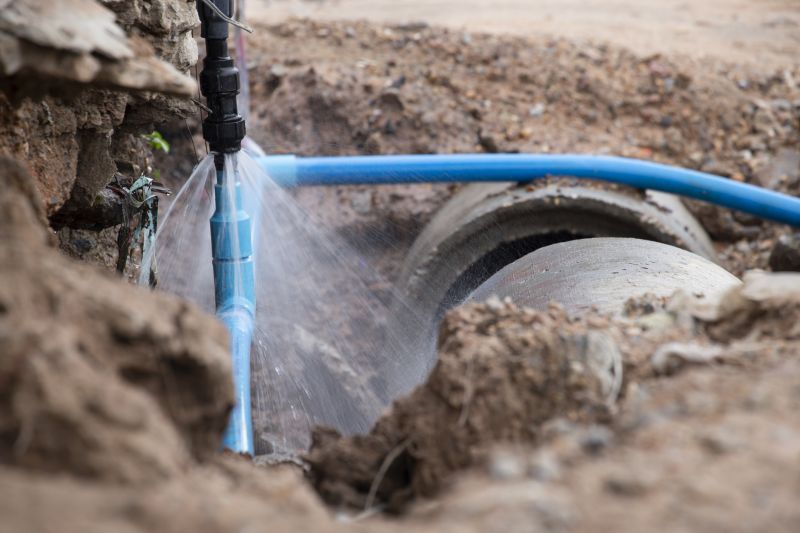
Underground pipe testing - identify leaks beneath concrete slabs or in yard areas.
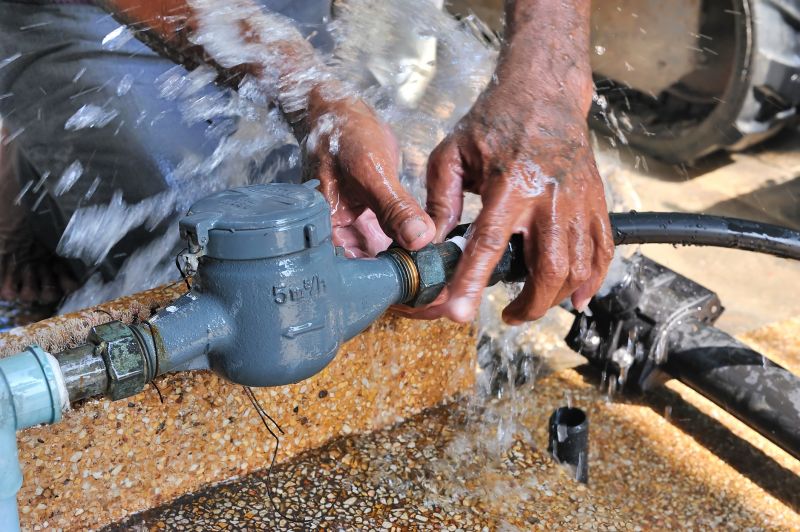
Leak detection for water mains - locate leaks in main water lines to prevent water loss.
Bathroom and kitchen pipe checks - find leaks in sink, toilet, and appliance connections.
Slab leak detection - pinpoint leaks under concrete slabs without extensive demolition.
Emergency leak location services - quickly identify leaks to minimize property damage.
Pipe Leak Detection Questions
How can I tell if I have a pipe leak? Signs include unexplained water bills, damp spots on walls or floors, and the sound of running water when no fixtures are in use.
What areas are typically checked during leak detection? Common areas include underground pipes, wall and ceiling cavities, and accessible plumbing fixtures.
Is pipe leak detection safe for my property? Yes, the process uses non-invasive methods to locate leaks without damaging walls or floors.
What types of leaks can be detected? Both visible and hidden leaks, such as slab leaks, pipe corrosion, or joint failures, can be identified.
Request Pipe Leak Detection in Denver, CO
Use the quote form on this page to share the basics of your project and request more information for the type of work you need.