Plumbing Line Repair in Denver, CO
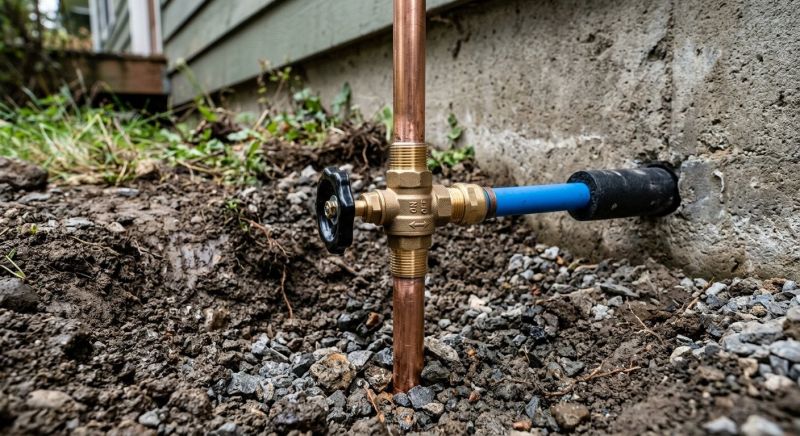
Plumbing line repair services address issues involving damaged, leaking, or broken pipes within a property’s plumbing system. These repairs typically cover a range of projects, including fixing leaks, replacing corroded pipes, clearing blockages, and restoring proper water flow throughout the home or building. Homeowners often seek these services when experiencing low water pressure, unexplained water bills, or visible signs of leaks such as water stains or mold growth. Understanding the scope of the repair, the location of the problem, and the type of piping involved can help property owners prepare for the process and ensure the repairs are effective and long-lasting.
Before requesting plumbing line repair, property owners should consider the age of their plumbing system, the materials used in their pipes, and any recent signs of trouble. It’s helpful to identify whether the issue is isolated or widespread, as this can influence the approach and extent of repairs needed. Clarifying the specific symptoms, such as unusual noises, odors, or water discoloration, can assist in diagnosing the problem accurately. Having a basic understanding of the property’s plumbing layout and history can also support a smoother repair process and help determine if additional measures, like pipe replacement or upgrades, might be advisable in the future.
Many property owners in Denver, CO look into Plumbing Line Repair for repairs, replacements, upgrades, and appearance-related improvements.
Identifying Pipe Leaks
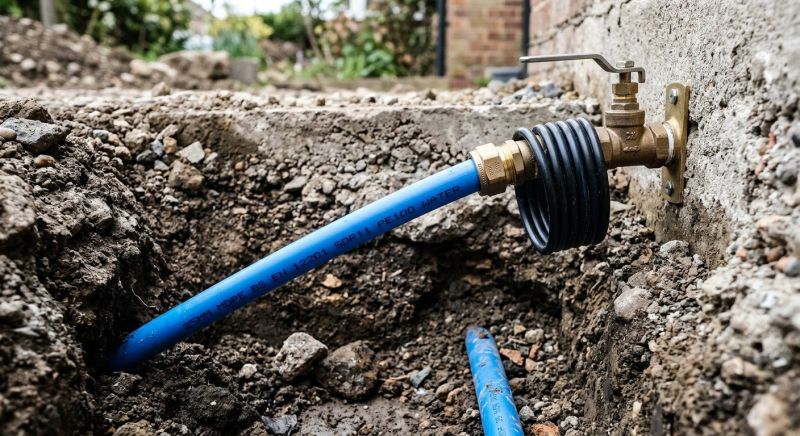
Detecting hidden leaks early can prevent major water damage in denver homes.
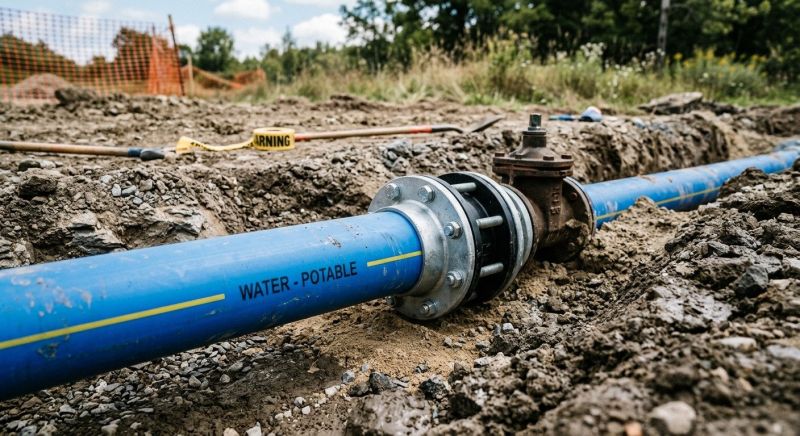
Repair Techniques
Various methods are used to restore damaged plumbing lines efficiently and reliably.
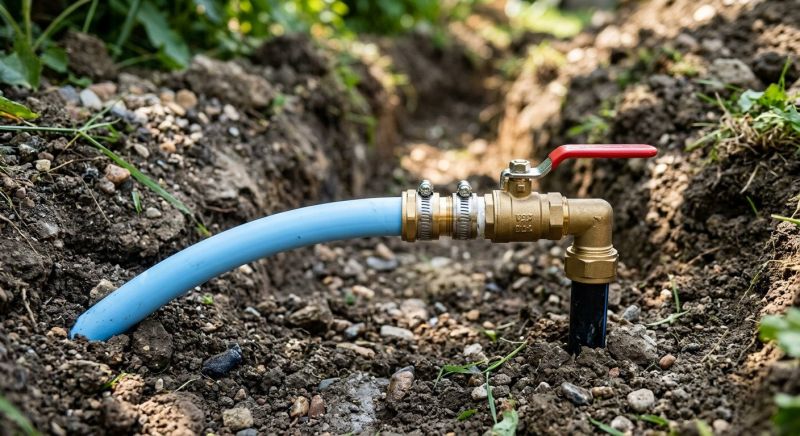
Preventative Maintenance
Regular inspections help maintain the integrity of plumbing systems and avoid costly repairs.
Plumbing Line Repair in Denver, CO

Plumbing line repair services address issues involving damaged, leaking, or broken pipes within a property’s plumbing system. These repairs typically cover a range of projects, including fixing leaks, replacing corroded pipes, clearing blockages, and restoring proper water flow throughout the home or building. Homeowners often seek these services when experiencing low water pressure, unexplained water bills, or visible signs of leaks such as water stains or mold growth. Understanding the scope of the repair, the location of the problem, and the type of piping involved can help property owners prepare for the process and ensure the repairs are effective and long-lasting.
Before requesting plumbing line repair, property owners should consider the age of their plumbing system, the materials used in their pipes, and any recent signs of trouble. It’s helpful to identify whether the issue is isolated or widespread, as this can influence the approach and extent of repairs needed. Clarifying the specific symptoms, such as unusual noises, odors, or water discoloration, can assist in diagnosing the problem accurately. Having a basic understanding of the property’s plumbing layout and history can also support a smoother repair process and help determine if additional measures, like pipe replacement or upgrades, might be advisable in the future.
Many property owners in Denver, CO look into Plumbing Line Repair for repairs, replacements, upgrades, and appearance-related improvements.
Common Plumbing Line Repair Jobs
Leak Repairs - fixing hidden or visible leaks to prevent water damage and reduce utility bills.
Pipe Replacement - upgrading old or damaged pipes to ensure reliable water flow and prevent future issues.
Clog Removal - clearing blockages in drains and sewer lines for smooth and efficient drainage.
Fixture Repairs - restoring or replacing faucets, toilets, and other fixtures to restore proper function.
Emergency Line Repairs - addressing urgent pipe failures to minimize property damage and restore service quickly.
Corrosion and Damage Repairs - repairing or replacing corroded or broken pipes to maintain plumbing integrity.
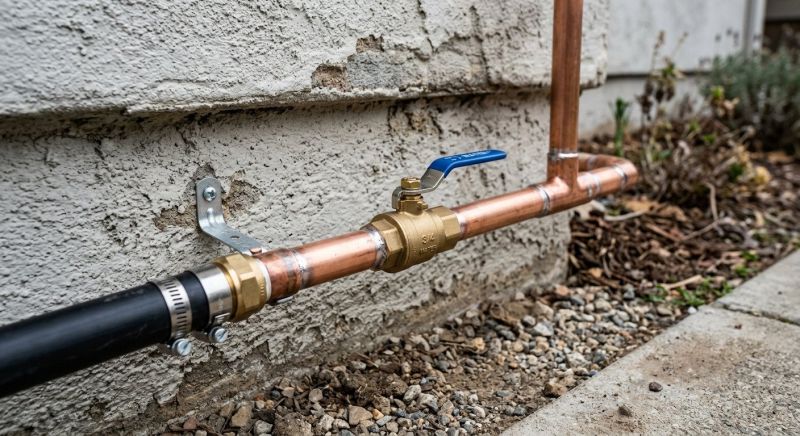
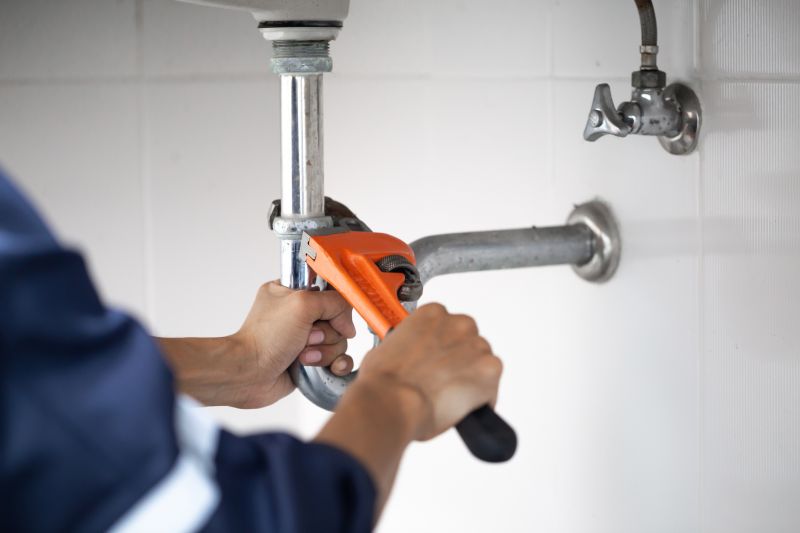
Plumbing Line Repair Questions
What causes plumbing lines to need repair? Common causes include corrosion, tree root intrusion, and shifting soil that can damage pipes over time.
How can I tell if my plumbing line is damaged? Signs include low water pressure, recurring clogs, unpleasant odors, or visible leaks around the property.
What types of plumbing line repairs are available? Repairs may involve patching leaks, replacing damaged sections, or installing new piping to restore proper flow.
Why is timely repair important for plumbing lines? Addressing issues promptly helps prevent water damage, mold growth, and more extensive pipe failures later on.
Request Plumbing Line Repair in Denver, CO
Use the quote form on this page to share the basics of your project and request more information for the type of work you need.